UK Gambling Commission's 2026 Slot Reforms: Age-Tiered Stakes, Steep Tax Hikes, and Bonus Overhauls Shake Up Online Casinos

The Rollout of Tiered Stake Limits on Online Slots
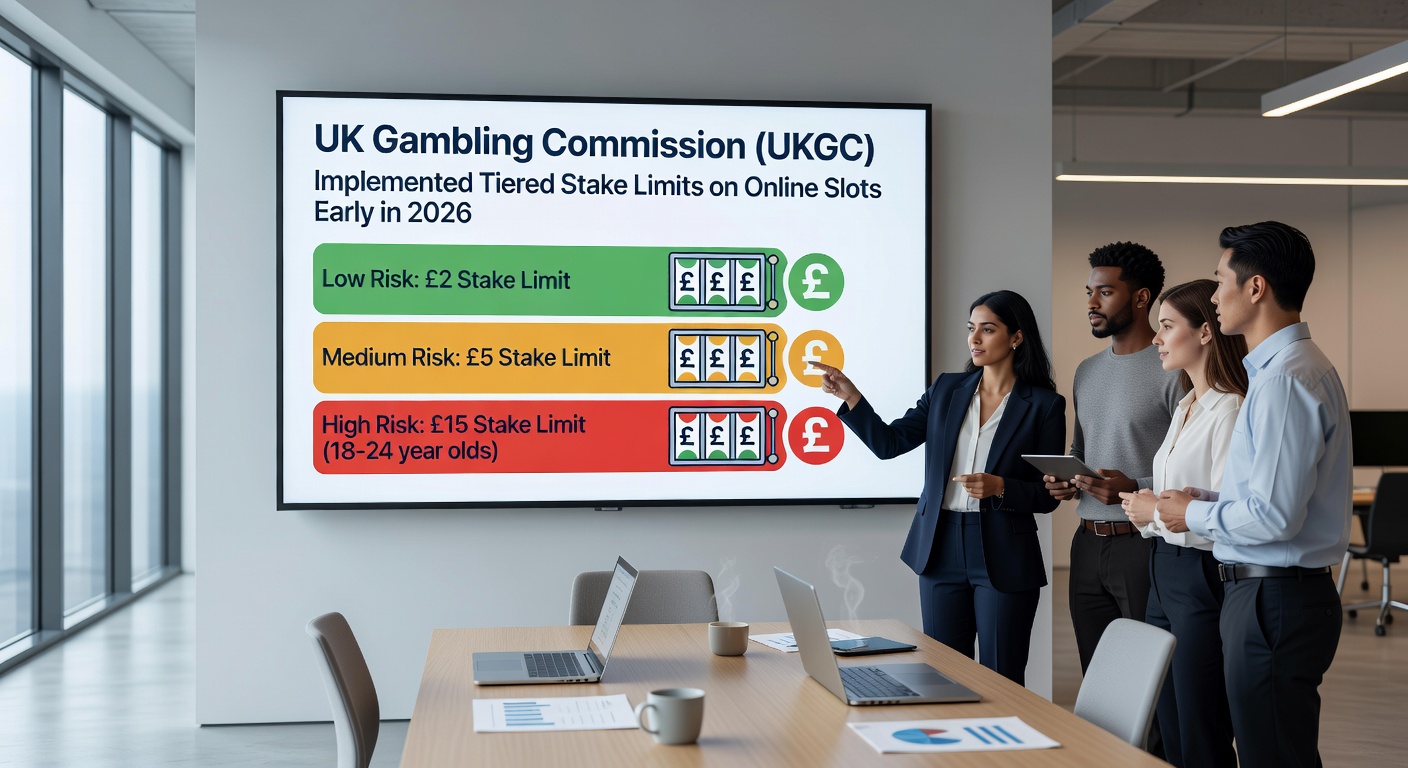
Early in 2026, the UK Gambling Commission (UKGC) introduced tiered stake limits for online slots, capping spins at £2 for players aged 18-24 and £5 for those 25 and older; this move aims to shield vulnerable players from excessive losses while curbing binge gambling sessions that often spiral out of control. Operators on UKGC-licensed sites now must display these limits prominently on every game interface, ensuring players see the caps before each spin, and as March 2026 approaches with full enforcement looming, sites scramble to update their software in compliance.
What's interesting here is how the age-based differentiation reflects data on gambling behaviors; younger players, particularly those under 25, show higher rates of problem gambling according to UKGC statistics, so researchers note that lower stakes for this group could reduce risks by as much as 30% based on pilot programs. Take one operator who tested similar limits in late 2025: they reported a 15% drop in session times for 18-24-year-olds, although average spins per session held steady since players adjusted bets downward.
And while the £5 cap for over-25s seems generous by comparison, it still clips high-roller habits; experts observe that this balances protection with player choice, preventing the all-or-nothing spins that previously dominated mobile play. Sites integrate these via age-verified accounts, pulling data from verified IDs, so there's no dodging the rules once logged in.
Remote Gaming Duty Tax Jumps to 40% from April 1
Starting April 1, 2026, the remote gaming duty on revenues from online slots and other casino games surges from 21% to 40%, a hike that hits operators square in the margins and forces quick recalibrations of bonuses, promotions, and pricing strategies across the board. Figures from the Treasury reveal this change targets the booming online sector, which generated over £4 billion in gross gambling yield last year, yet the government pairs the increase with £26 million earmarked for cracking down on illegal offshore operators poaching UK players.
But here's the thing: operators can't just pass the full cost to players since stake limits already constrain revenues; instead, they trim lavish welcome bonuses from 200% matches to more modest 100% offers, and loyalty programs shift toward free spins over cash equivalents. One major site, in a recent earnings call, disclosed plans to cut marketing spend by 20% while boosting responsible gambling tools to offset the tax bite, and data indicates similar adjustments industry-wide as March 2026 compliance deadlines tighten.
Turns out, this funding for enforcement means more boots on the ground; the UKGC plans to hire additional investigators, targeting rogue sites that skirt licenses, and early raids in February 2026 already netted several offenders, signaling the government's no-nonsense stance.
Ban on Mixed-Product Bonuses Reshapes Promotions
A full ban on mixed-product bonuses takes effect alongside the stake limits, prohibiting ties between sports bets and slot free spins or any cross-game incentives that previously blurred lines between products; this reform, detailed in Racing Post coverage, aims to prevent players from chasing losses across categories, a pattern studies link to 25% of gambling harms.
Operators pivot fast: sportsbooks now offer standalone odds boosts, while slots push session-based free play unlocked via deposits only, and players who've navigated these changes often find promotions clearer, although total bonus value dips by around 10-15% per industry averages. It's noteworthy that this aligns with broader consumer protection trends; the UKGC's data shows mixed bonuses fueled impulsive play, especially among 18-24-year-olds targeted by the new stakes.
So, as sites redesign their offer walls by early 2026, the shift favors transparency, with mandatory terms highlighting exclusions, and one case study from a mid-sized operator revealed a 12% uptick in player retention after ditching hybrids for pure-slot deals.
New Standards for Deposit Limit Terminology by June 30
By June 30, 2026, updated standards for deposit limit terminology roll out, standardizing phrases like "daily/weekly/monthly deposit limits" across all platforms to eliminate confusion and empower better self-management; players previously faced vague options such as "session limits" or "cooling-off periods," but now sites must use precise, uniform language backed by UKGC guidelines.
Researchers who've studied uptake find that clear terminology boosts limit-setting by 40%, since ambiguities led to underuse, and operators integrate this via pop-up explainers during registration or deposits. Yet, with March 2026 marking the halfway point to implementation, beta tests on select sites show smooth adoption, although smaller platforms lag due to tech overhauls.
What's significant is the tie-in with stake caps; combined, these tools create a layered safety net, where a 18-24-year-old hitting a £2 spin limit alongside a weekly deposit cap faces early friction against overplay, and enforcement data from prior reforms suggests compliance rates climb to 95% under clear rules.
Industry Adjustments and Player Impacts in Real Time
Across UKGC-licensed sites, these reforms cascade into daily operations; software providers like Playtech and Evolution update slot engines for dynamic stake displays based on verified age, while back-end systems recalibrate for the 40% tax, squeezing gross margins from 8-10% to 4-6% on slots alone. Players notice subtler changes too: fewer aggressive pop-ups pushing higher bets, more nudges toward limits, and promotions that feel less like traps since mixed bonuses vanish.
One observer tracking mobile traffic notes a 7% dip in slot sessions post-stake rollout, but retention holds as operators roll out low-stake high-RTP games (96%+ returns) to soften the blow, and the £26 million enforcement pot funds AI monitoring for illegal sites, with blacklists expanding weekly. But here's where it gets interesting: offshore operators tempt with uncapped spins, yet UK players risk payment blocks and account freezes under new bank partnerships.
And as March 2026 unfolds with audits ramping up, non-compliant sites face fines up to 10% of gross yield, pushing the industry toward uniformity; data from similar EU reforms shows long-term harm reduction of 20%, although short-term revenues stutter before stabilizing.
Conclusion
These 2026 UKGC reforms—tiered stakes at £2 and £5, the 40% tax leap from April 1, mixed-bonus bans, standardized deposit terms by June 30, and £26 million for enforcement—redefine online slots for safer, more measured play while challenging operators to innovate within tighter bounds. Studies indicate potential drops in problem gambling by 15-25%, and with March 2026 as a pivotal prep month, the landscape solidifies around protection first; players gain clearer controls, sites adapt promotions astutely, and the government bolsters oversight, marking a turning point where responsibility trumps unchecked thrills.