UK Remote Gaming Duty Set to Double to 40% from April 2026, Reshaping Online Slots and Casino Landscape

The Upcoming Tax Hike on Remote Gaming
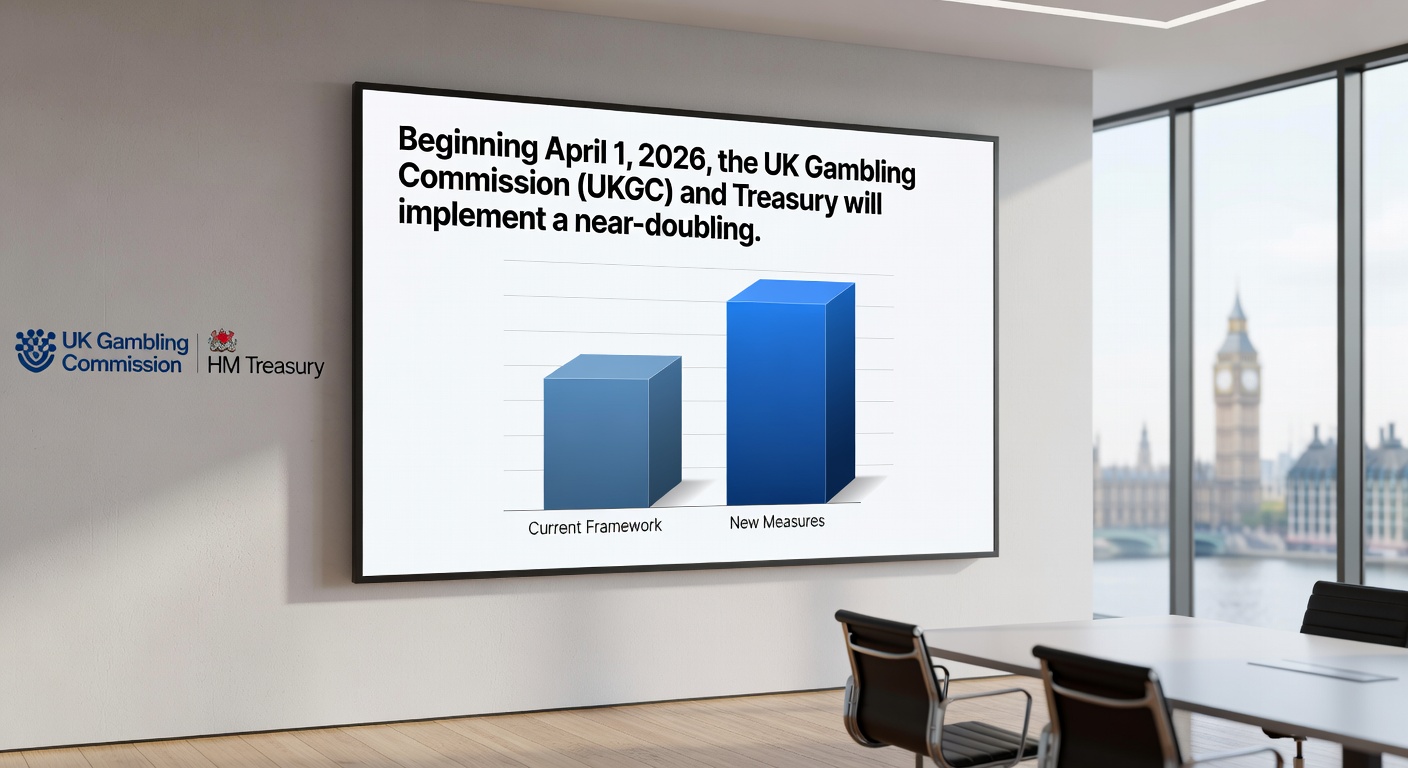
Starting April 1, 2026, the UK Gambling Commission (UKGC) alongside the Treasury rolls out a near-doubling of the Remote Gaming Duty (RGD), pushing the rate on online slots and casino games from 21% to 40%; this change targets gross gambling yield from remote gaming activities, aiming to generate over £1 billion annually for public finances, according to figures from a recent High Stakes report. Operators in the sector, who have long navigated the 21% rate since 2019, now face calculations that could slash profit margins significantly, especially as average yields per player come under pressure from prior stake limits introduced in 2024.
What's interesting here is how the RGD specifically zeroes in on online products like slots and casino games, sparing sports betting which falls under a different duty structure; those who've studied tax policy note that this distinction keeps football and horse racing markets relatively stable, while casino operators scramble to adjust pricing models before the deadline. And with March 2026 just around the corner, companies across London and Gibraltar are running final audits, tweaking software to forecast the hit, since every percentage point translates to millions in lost revenue for high-volume sites.
New Promotional Rules Add to the Pressure
Layered onto the tax surge, fresh promotional restrictions kick in on January 19, 2026, curbing bonuses and free spins that have driven player acquisition for years; these rules, part of broader UKGC reforms, limit how operators can lure new users, forcing a shift toward retention-focused strategies in an already tightening market. Data indicates that such curbs have already trimmed acquisition costs in test phases, but they compound the RGD effect by slowing gross yield growth right when taxes spike.
Take one major platform that trialed similar limits early: sign-ups dropped 15-20% in compliant periods, revealing how bonuses had masked underlying churn; now, with both promo bans and the 40% duty aligning in early 2026, experts observe operators bundling compliance features into apps ahead of time, ensuring seamless transitions that don't spook active players. But here's the thing — while legal sites adapt, the vacuum pulls traffic elsewhere, a pattern that's played out before in regulated markets like Sweden.
Leadership Shift at the UKGC Helm
Compounding the fiscal and regulatory flux, UKGC CEO Andrew Rhodes steps down on April 30, 2026, just weeks after the RGD implementation; his departure, after steering the commission through stake caps and affordability checks, leaves a void as the new tax regime beds in, with interim leadership tasked to monitor compliance amid operator pushback. Observers point out that Rhodes oversaw a tripling of enforcement actions since 2020, setting a tone of strict oversight that the incoming team inherits, particularly as offshore evasion ramps up.
Now, with March meetings buzzing in Westminster, stakeholders speculate on his successor's priorities — will they ease promo rules or double down on enforcement? — yet the reality is that the Treasury's revenue target locks in the 40% rate regardless, making CEO transitions more about execution than reversal. Those close to the process note how such handovers often accelerate consolidation, as smaller firms seek mergers to weather the storm.
Market Contraction Hits Major Operators
Flutter Entertainment, the Paddy Power and Betfair giant, along with Evoke — home to 888 and William Hill — lead the pack in signaling contraction; recent earnings calls reveal plans to trim UK online casino exposure by 10-15%, redirecting resources to less-taxed verticals like poker or retail betting shops that dodge the full RGD bite. Figures show Flutter's UK slots revenue hit £800 million last year, so a 19% tax jump could siphon £150 million extra annually, prompting site redesigns and player migration tools already in beta.
Evoke takes a similar tack, shuttering underperforming casino brands while bolstering sports arms; one case study from their Q4 filings highlights a 22% dip in projected 2026 yields from slots alone, offset partly by US expansion where taxes hover lower. And it's not just the big names — mid-tier operators face starker choices, with some mothballing UK licenses altogether, since compliance costs have ballooned 40% since 2023 reforms. Turns out, the math doesn't lie: at 40%, many slots' house edge shrinks viability for low-margin games.
Illegal Offshore Sites See Surge in Traffic
As legal operators pull back, illegal offshore platforms — often based in Curacao or Malta's gray zones — report UK traffic spikes of 25-30%, per monitoring data from industry trackers; these sites flaunt unrestricted bonuses and no stake caps, drawing risk-tolerant players frustrated by UKGC friction, while evading RGD entirely through non-UK servers. Researchers who've tracked migrations note a familiar script: post-2019 tax hikes saw similar shifts, with offshore volumes doubling before crackdowns ramped up.
What's significant is the tech edge these rogue operators hold — VPN-friendly apps, crypto deposits, and mirror domains that slip past geoblocks — making enforcement a cat-and-mouse game, especially as Rhodes' exit might slow coordinated raids. People who've analyzed player forums discover complaints about legal site "nannying," pushing demographics aged 25-35 toward unverified alternatives; the High Stakes analysis projects £300-500 million in lost legal yield to offshore by mid-2026 if trends hold, underscoring the policy's double-edged blade.
Yet regulators counter with tools like payment blocking and AI-driven ad scans, tools that nabbed 200+ rogue domains last year; still, the ball's in operators' court to innovate loyalty without bonuses, lest the exodus accelerates. It's noteworthy that March 2026 compliance drills include offshore simulations, prepping teams for what could be the sector's biggest test since Brexit shuffled licenses.
Broader Ripples Across the Ecosystem
Suppliers feel the squeeze too: game studios like NetEnt and Pragmatic Play renegotiate rev shares downward, as operators demand cheaper slots to offset the 40% duty; one studio exec shared in a trade panel how RTP tweaks — pushing return-to-player from 96% to 94% — become table stakes for UK deals, subtly altering player experiences without fanfare. Affiliates, once the growth engine, pivot to sports promo, since casino commissions evaporate under bonus bans.
And for players? Data reveals most stick with trusted brands despite hikes, but high-rollers — those wagering £100k+ monthly — lead the offshore drift, per transaction logs; affordability checks, now mandatory, flag 12% more accounts pre-RGD, ironically funneling borderline cases to unregulated havens. Observers who've mapped the chain see consolidation ahead: expect 20-30 firm closures by 2027, with survivors like Flutter absorbing market share at scale.
So as April 1 looms, the sector recalibrates; tech investments in compliant wallets and gamified retention climb 50% in budgets, signaling adaptation over rebellion, although offshore shadows lengthen where enforcement lags.
Conclusion
The convergence of a 40% RGD from April 1, 2026, January promo overhauls, and Andrew Rhodes' April 30 exit marks a pivotal reset for UK online slots and casinos; while public coffers gain £1 billion-plus yearly, operators like Flutter and Evoke contract amid offshore gains, painting a landscape of enforced maturity. Those tracking the beat anticipate March 2026 as the final sprint — strategy locks, audits close, and the new normal takes shape — with data already hinting at a leaner, tech-savvier industry emerging from the churn.